
Fitness From The Ego To The Heart
I’ve been sharing insights and teachings about holistic health and fitness for 20 years. What I’m seeing now is a resurgence of people who are really excited to learn how to get healthy. This is exciting to me because there’s a new energy to it. It feels curious and childlike.
I’ve been sharing insights and teachings about holistic health and fitness for 20 years. What I’m seeing now is a resurgence of people who are really excited to learn how to get healthy. This is exciting to me because there’s a new energy to it. It feels curious and childlike.
In the past we’d will ourselves to exercise and punish ourselves if we ate something we deemed bad or feel guity if we didn’t work it off in the gym.
Now I’m seeing that mentality fad away…
and more people are gravitating towards a healthier mindset as it relates to their fitness and nutrition. A more balanced mindset. They’re being led from their heart instead of their ego and I think thats so beautiful.
Much of my work over the years has been helping people find the joy in their fitness routine and witness how miraculous their body really is. That’s what my book, Finally Thriving is all about.
I’ve always loved sharing natural ways to get healthy. Holistic health principles that support your body in healing and regeneration. Tools that are accessible and simple.
Today’s no different.
As I’ve gone through my own personal hormonal changes during menopause…
I’ve had lots of women ask me what I’m doing and how they can support their body through this phase in their life.
They share with me that they’re frustrated because all they’re seeing about menopause is related to hormonal therapy. As if that’s our only option. There’s nothing wrong with wanting to do hormonal therapy but so many women are craving an alternative.
Mostly what’s talked about is how to combat hormonal changes physiologically (which is important) but what’s not talked about as much is the emotional rite of passage we go through during this time. I’ve noticed women who tend to suppress their emotions over the years have more physical symptoms generally.
Why are we suppressing our emotions?
We’ve missed the boat on feeling our emotions because so often we’re directed to figure out our emotions. This turns an emotion into a thought which keeps it on the mental plane. Emotions are meant to be felt not intellectualized because they’re stored in the body not the brain so the solution is to be with them so that your emotions can move through.
We
I’ve had my challenges personally with menopause too and what I want to share with you is there’s always something you can do to support your body. It’s a matter of patience and attention. So going through menopause has taught me to go deeper into my own self care and value me.
To explore what I’m feeling and lean into a deeper state of self acceptance.
Taking care of yourself on a deeper level…
teaches you to be present with your body and directs your focus continually to what matters most. I don’t know about you but menopause really made me pay attention to what my body needed even more. It wasn’t a signal I could bypass even if I wanted to.
So how do we do this? First, do your best NOT to fight it. I know hot flashes are uncomfortable and sometimes they come at the most inappropriate times but it’s an energy that is moving through your body and like emotions if you try to suppress your symptoms they will amplify.
What we want to do…
is be present with our body and respond proactively by supporting our body with what it needs. Be there for your body unconditionally.
This will also teach you how to love yourself because you’re practicing presence with your body and with yourself. This is a really big deal. To be able to support your body with the right nutrition, rest, hydration, movement and emotional regulation and honesty.
I go into these hormonal changes in my latest Youtube video, Menopause Doesn't Have To Suck. I share that when you make the switch from estradiol to estrone. Estrogen stops getting produced in your ovaries and now it’s being produced in your adrenals and adipose tissue (fat cells).
What does this mean? You’re way more sensitive to stress now. So that’s why it’s so important to tune into your body and support it smarter not harder.
Check out my video below!
https://youtu.be/ouLWR9Vc3Hg?si=GMLXoztqtmXnwN6z
In health and happiness,
Allison Pelot
Dairy's Not So Scary
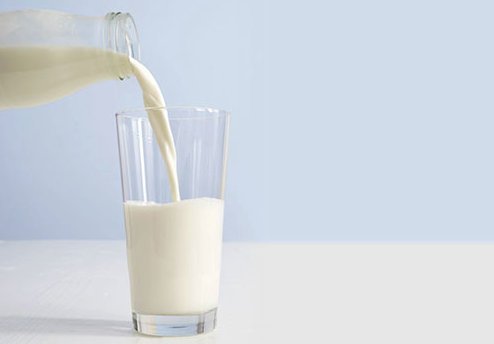
Food sensitivities are a big deal and it seems the amount of people with food sensitivities are growing every day. Since many issues are linked to food sensitivities, food elimination seems to be the most common approach, but I think there's so much more to consider first.
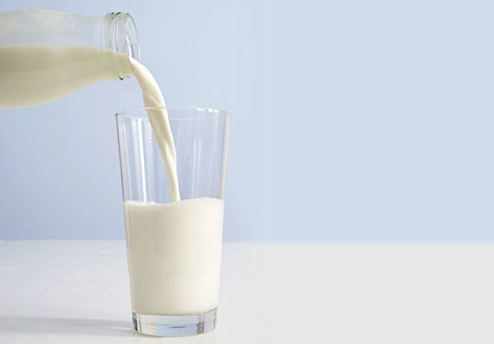
Food sensitivities are a big deal and it seems the amount of people with food sensitivities are growing every day. Since many issues are linked to food sensitivities, food elimination seems to be the most common approach, but I think there's so much more to consider first.
How Food Elimination Works
A food elimination diet works by taking the foods out of the diet that seem to be causing digestive distress for a certain period of time and then working the foods back into the diet one at a time, noticing any change in digestion during the process. While this gives a person temporary relief, it doesn't really address the bigger issue... why can't this person digest and metabolize their food? In other words, what's the root of the problem.
My Experience With Dairy Intolerance
Years ago I believed I was intolerant to dairy, but looking back on it, I had a blood sugar handling issue. I'd been eliminating so many foods and I remember feeling like I needed to make a switch with my approach, but I wasn't sure where to go since the only recommendations about inflammation were to eliminate the foods that are causing you distress. Losing inches initially was great, because inflammation would go away, but I was still feeling fatigued and run down all the time. I felt like I was missing something, I wasn't feeling good anymore and had zero energy. I eventually had to come to accept that my approach wasn’t working for me anymore and it was time to make a change.
Could the issue be blood sugar?
Soon after I was introduced to Ray Peat’s research and it simply blew my mind. Mainly because his ideas about nutrition were so hard to wrap my head around and so completely opposite to what I'd learned about nutrition. I remember thinking I could eat dairy and sugar again, how liberating, but how does that work? After a while, his ideas started to make sense and I was soon compelled to try it out on myself.
I realized I'd had a blood sugar handling issue the whole time. It wasn't diary's fault, it was my body not being able to metabolize natural sugars very well for energy. I discovered when I eliminated sugar I felt a lot better at first and many of my issues subsided, but after a while I started to run out of energy, my metabolism slowed down( I lost muscle) and many of my issues came back. I didn’t gain weight per say, instead my digestive motility slowed down, I developed a small pooch (distended belly) and I was tired and depressed.
What I found...
According to Dr. Peat, food intolerance lab tests are a vague indicator of an actual food intolerance. Mainly due to the fact that your immunity responds to everything you're exposed to. Finding the particular antibodies to that substance actually means that you've become tolerant to that food, not the other way around. Because of this, most blood tests end up being a very poor indicator of a food intolerance.
Other Reasons For A Perceived Dairy Intolerance
According to Dr. Ray Peat, dairy’s not the problem, it’s the degradation of our food supply, and I tend to agree. If you’re eating toxic food with preservatives, there’s a greater chance you’ll end up with food allergies, sensitivities, bloating, gas, vitamin D deficiency, parasites, etc. Even if you’re eating organic you can still get some toxic preservatives that may irritate and inflame your body.
In Kate Deering's book, "How To Heal Your Metabolism", she states that it's a matter of the kind of dairy you choose which determines if you're intolerant or not. The culprit may actually be the preservatives and not the milk itself. One harmful allergen that's added frequently to dairy, almond and coconut milk is carrageenan. This preservative originates from seaweed and can cause digestive distress and inflammation. I also found carrageenan in foods like soy milk, ice cream and yogurt, it’s in just about everything.
Poor blood sugar regulation can be another reason for food intolerance. According to Dr. Ray Peat, you have the potential to be sensitive to just about any food when you're in a state of low blood sugar. A solution to a food sensitivity can be as simple as keeping your blood sugar more regular on a daily basis, by eating more frequently, slowing down (make mealtime sacred), calming the nervous system before meals and chewing your food. Breathing more mindfully (taking your breath in through the nose and expanding your ribcage and diaphram) and including a daily meditation practice can even improve your ability to digest your food.
dairy is a nutrient dense food
Dairy contains a balanced ratio of phosphorus (essential mineral for bone development) and calcium (needed for healthy bones, nerve function, blood clotting, muscle and heart contractions). According to Kate Deering, this is important because the ratio of phosphorus to calcium in dairy aids in calcium absorption and that's why including dairy in the diet is so important as you get older. Even more so since we're more susceptible to osteoporosis as we age. The good news is we can essentially side step this issue if we're absorbing calcium properly which dairy can provide.
Dairy's incredibly nutrient dense and a complete food, providing all three macronutrients (protein, fat and carbohydrates) your body needs to metabolize your food and keep your blood sugar regulated. Dairy contains magnesium, potassium, selenium and iron, vitamins A, B2, B12 K and D. These vitamins and minerals are all needed for a healthy fully functioning metabolism.
This superfood is worth reconsidering.
References:
http//www.eastwesthealing.com
http//www.katedeeringfitness.com
"How To Heal Your Metabolism", by Kate Deering pg.141-142
5 Simple Strategies For Increasing Your Metabolism
When I talk to my clients about nutrition initially, the first question I ask them is,
“How frequently are you eating?”
They usually say not frequently enough and some even admit to waiting up to five hours between meals.
Could the key to a healthy metabolism really be as simple as food frequency?

When I talk to my clients about nutrition initially, the first question I ask them is,
“How frequently are you eating?”
They usually say not frequently enough and some even admit to waiting up to five hours between meals.
Could the key to a healthy metabolism really be as simple as food frequency?
I find it’s the most underestimated factor in most people's nutrition programs. Many people are simply not eating enough throughout the day.
Maybe it’s our busy stressful lives or fad diets (like intermittent fasting and keto) that promise instant results or maybe we’re just totally distracted and forget to eat all together.
Whatever the reason is, the consequence of doing this over and over again will lead to a metabolic slow down. And trust me, when that happens it’s hard to get back up.
Let me explain… the issue is blood sugar regulation.
I think eating clean organic foods is incredibly important, but if your metabolism is slow and you’re not already eating consistently enough to balance your blood sugar (to avoid hypoglycemia) on a daily basis, you’re simply not going to be able to meet your body’s metabolic needs (energy requirements).
This creates inflammation and a perfect storm for metabolic slow down.
It’s a problem because chronically stressing your systems day in and day out (with a byproduct of adrenaline and cortisol) leads to a whole cascade of symptoms. Many of which you’d be pretty surprised to know.
Irritability
Mood swings
Brain fog
Low energy/fatigue
Digestive issues
Bloating
Muscle mass loss
Sleep issues
Rapid heart beat
Diminishing ability to recover
Low thyroid function
Skin issues
Hair loss
Weight gain
Can’t gain weight (depleted state)
Severe issues, like fibromyalgia, diabetes, MS, etc.
And the list goes on
The simple act of not eating frequently enough puts you at risk for chronic hypoglycemia. This sets the stage for hormonal imbalance, severe mood swings (we call this getting hangry at our house) autoimmune disease and hypothyroidism which can make it basically impossible to lose weight.
Dr. Broda Barnes talked about this in his book, “Hope For Hypoglycemia”. He discovered after seeing many people who had been turned away from their doctors (telling them either nothing was wrong with them or that they were clinically crazy) that it had more to do with blood sugar regulation and supporting the liver by supplying it with enough glucose for hormonal conversion.
Glucose is also our major fuel for the brain.
Your brain only runs on glucose so it makes sense that you begin to lose cognitive abilities and get irritable when you need fuel.
When you get foggy brain, your brain is talking to you. It’s telling you it needs more fuel.
There's a chance you may drop some weight with diets like intermittent fasting and keto, but it’s due to you putting your body under an unnecessary stress that will slow your systems (digestive, thyroid, metabolic rate) down to conserve energy (because your body thinks it’s starving)
There’s then a greater chance you’ll gain the weight back and it becomes harder to keep it off because now you’ve damaged your metabolism.
It’s a pretty significant sacrifice with dire consequences if you if you ask me.
I’m here to tell you there’s an easier way to do this.
I think what sounds like a more viable solution is to heal your metabolism by gradually training your body use energy more efficiently again (like you did when you were a kid).
If you do this first, excess weight will come off when the metabolism and thyroid are healed and the liver is working efficiently again. You can do this simply with the right foods in the right amounts and at the right times.
Here’s my simple strategy for increasing your metabolism
1. Eat Frequent smaller meals:
I know you’ve probably heard this one before but it’s true. The quickest and most easy way you can begin to raise your metabolic rate it to eat every two hours or add a snack between your meals.
When you’re training your body to run on glucose (for more efficient energy production) instead of adrenaline it’s important to eat every two hours until your body is able to run more efficiently. If you go too long without food you run the risk of going into a stress hormone mode, raising your cortisol levels. Doing this too often and you can slow your thyroid which regulates your metabolism. You can avoid this hormonal fluctuation by eating frequently enough to meet your body’s metabolic needs on a daily basis.
2. Eat Breakfast:
You’ve probably heard this one too.
Eating breakfast will break the fast of the night and help you curb your cortisol response so it's at a manageable level for the morning time. If you drink coffee, eating food with your coffee in the morning helps you offset the adrenaline response after you've consumed caffeine.
Adding organic heavy cream or half-n-half and gelatin to your coffee will slow down the adrenalizing effects of the caffeine. The fat you get from the heavy cream and the protein you get from the gelatin will help your body better metabolize the caffeine and you’ll reap the benefits.
3. Food Prep:
I can not stress this more. Getting prepared ahead of time can be what saves you in the end.
Plan ahead so you’re prepared for anything.
Prepare your meals and snacks for the week. So many times we end up in a situation where we find ourselves unprepared with no food (aka, hangry)
You can easily avoid those moments where you find yourself suddenly in a panic with nothing to eat. By planning ahead, shopping on the weekends and having enough snacks on hand to keep your blood sugar regular throughout the day you’re golden.
I also suggest organizing and cleaning out your kitchen from time to time or even seasonally. Cleaning out your fridge and pantry pretty often so you can reset and feel more clarity when it comes to your food preparation.
4. Don't skip a macronutrient
This one you may not have heard before but I assure you it’s one of the most important factors.
Mainly because there’s so much promotion in the way of cutting a macro out to gain quick results (example, cutting your carbs)
The simple truth is that your body needs all three to function optimally. Now can you make better choices when it comes to the types of macros you choose, yes you can.
Mind you, the better choices for carbs that will not fluctuate blood sugar are fruits, roots and dairy (not grains).
My recommendations regarding macros initially are to include 1 serving of protein from clean animal sources (not just meat, dairy and eggs too), 1 serving of saturated fat and 1 serving of the carbohydrates I listed above in every meal.
As you get to know your metabolism, you can begin to play around with the ratios a bit. Keeping a balance of macronutrients helps you avoid any unnecessary blood sugar fluctuations.
Fun fact: You can get lots of accessible protein from white potatoes and mushrooms too.
5. Keep your body fueled when you exercise:
This is important because your blood sugar will drop when you workout.
Eat before, during and after your workout.
Exercise has the potential to create inflammation and lactic acid in the body and cause a temporary drop in blood sugar. In order to minimize this response I always suggest eating a small easy to digest meal 30 minutes before your workout.
You could even sip OJ with gelatin added to it during your work out and eat a meal right after.
Some suggestions for what to eat before your workout can be:
Fruit and milk (smoothie)
Eggs, Cheese and fruit
Cottage cheese and fruit
Greek yoghurt and fruit