

Dairy's Not So Scary
Food sensitivities are a big deal and it seems the amount of people with food sensitivities are growing every day. Since many issues are linked to food sensitivities, food elimination seems to be the most common approach, but I think there's so much more to consider first.

Food sensitivities are a big deal and it seems the amount of people with food sensitivities are growing every day. Since many issues are linked to food sensitivities, food elimination seems to be the most common approach, but I think there's so much more to consider first.
How Food Elimination Works
A food elimination diet works by taking the foods out of the diet that seem to be causing digestive distress for a certain period of time and then working the foods back into the diet one at a time, noticing any change in digestion during the process. While this gives a person temporary relief, it doesn't really address the bigger issue... why can't this person digest and metabolize their food? In other words, what's the root of the problem.
My Experience With Dairy Intolerance
Years ago I believed I was intolerant to dairy, but looking back on it, I had a blood sugar handling issue. I'd been eliminating so many foods and I remember feeling like I needed to make a switch with my approach, but I wasn't sure where to go since the only recommendations about inflammation were to eliminate the foods that are causing you distress. Losing inches initially was great, because inflammation would go away, but I was still feeling fatigued and run down all the time. I felt like I was missing something, I wasn't feeling good anymore and had zero energy. I eventually had to come to accept that my approach wasn’t working for me anymore and it was time to make a change.
Could the issue be blood sugar?
Soon after I was introduced to Ray Peat’s research and it simply blew my mind. Mainly because his ideas about nutrition were so hard to wrap my head around and so completely opposite to what I'd learned about nutrition. I remember thinking I could eat dairy and sugar again, how liberating, but how does that work? After a while, his ideas started to make sense and I was soon compelled to try it out on myself.
I realized I'd had a blood sugar handling issue the whole time. It wasn't diary's fault, it was my body not being able to metabolize natural sugars very well for energy. I discovered when I eliminated sugar I felt a lot better at first and many of my issues subsided, but after a while I started to run out of energy, my metabolism slowed down( I lost muscle) and many of my issues came back. I didn’t gain weight per say, instead my digestive motility slowed down, I developed a small pooch (distended belly) and I was tired and depressed.
What I found...
According to Dr. Peat, food intolerance lab tests are a vague indicator of an actual food intolerance. Mainly due to the fact that your immunity responds to everything you're exposed to. Finding the particular antibodies to that substance actually means that you've become tolerant to that food, not the other way around. Because of this, most blood tests end up being a very poor indicator of a food intolerance.
Other Reasons For A Perceived Dairy Intolerance
According to Dr. Ray Peat, dairy’s not the problem, it’s the degradation of our food supply, and I tend to agree. If you’re eating toxic food with preservatives, there’s a greater chance you’ll end up with food allergies, sensitivities, bloating, gas, vitamin D deficiency, parasites, etc. Even if you’re eating organic you can still get some toxic preservatives that may irritate and inflame your body.
In Kate Deering's book, "How To Heal Your Metabolism", she states that it's a matter of the kind of dairy you choose which determines if you're intolerant or not. The culprit may actually be the preservatives and not the milk itself. One harmful allergen that's added frequently to dairy, almond and coconut milk is carrageenan. This preservative originates from seaweed and can cause digestive distress and inflammation. I also found carrageenan in foods like soy milk, ice cream and yogurt, it’s in just about everything.
Poor blood sugar regulation can be another reason for food intolerance. According to Dr. Ray Peat, you have the potential to be sensitive to just about any food when you're in a state of low blood sugar. A solution to a food sensitivity can be as simple as keeping your blood sugar more regular on a daily basis, by eating more frequently, slowing down (make mealtime sacred), calming the nervous system before meals and chewing your food. Breathing more mindfully (taking your breath in through the nose and expanding your ribcage and diaphram) and including a daily meditation practice can even improve your ability to digest your food.
dairy is a nutrient dense food
Dairy contains a balanced ratio of phosphorus (essential mineral for bone development) and calcium (needed for healthy bones, nerve function, blood clotting, muscle and heart contractions). According to Kate Deering, this is important because the ratio of phosphorus to calcium in dairy aids in calcium absorption and that's why including dairy in the diet is so important as you get older. Even more so since we're more susceptible to osteoporosis as we age. The good news is we can essentially side step this issue if we're absorbing calcium properly which dairy can provide.
Dairy's incredibly nutrient dense and a complete food, providing all three macronutrients (protein, fat and carbohydrates) your body needs to metabolize your food and keep your blood sugar regulated. Dairy contains magnesium, potassium, selenium and iron, vitamins A, B2, B12 K and D. These vitamins and minerals are all needed for a healthy fully functioning metabolism.
This superfood is worth reconsidering.
References:
http//www.eastwesthealing.com
http//www.katedeeringfitness.com
"How To Heal Your Metabolism", by Kate Deering pg.141-142
The Many Benefits Of Coconut Oil
Coconut oil is one of my favorite super foods. With natural anti-oxidants which protect your body against free radicals, it’s my top choice for a healthy fat.
Veggie oils like soy and canola tend to increase free radicals in the body because of the extremely high content of polyunsaturated fatty acids they contain. This can noticeably speed up the aging process and create inflammation.
Why coconut oil is healthy for you...
Unlike destructive veggie oils, coconut oil can actually slow down the aging process and prevent free radicals from being released through free fatty acid oxidation.
Coconut oil has the potential to balance hormones by boosting metabolism naturally and stimulating the thyroid. Since the thyroid is the master regulator of the metabolism, stimulation of the thyroid can lead to weight loss.

Coconut oil is one of my favorite super foods. With natural anti-oxidants which protect your body against free radicals, it’s my top choice for a healthy fat.
Veggie oils like soy and canola tend to increase free radicals in the body because of the extremely high content of polyunsaturated fatty acids they contain. This can noticeably speed up the aging process and create inflammation.
Why coconut oil is healthy for you...
Unlike destructive veggie oils, coconut oil can actually slow down the aging process and prevent free radicals from being released through free fatty acid oxidation.
Coconut oil has the potential to balance hormones by boosting metabolism naturally and stimulating the thyroid. Since the thyroid is the master regulator of the metabolism, stimulation of the thyroid can lead to weight loss.
It’s a great saturated fat which is solid at room temperature. Saturated fats are needed throughout the year and especially when there is less sunlight available. Coconut oil can help your body absorb fat soluble vitamins, like vitamin A and D, which can only be absorbed with saturated fats.
Coconut oil has also been proven to lower cholesterol naturally. A healthy cholesterol level is needed in order for the body to make essential hormones that keep you young and healthy.
The many ways I use coconut oil...
I enjoy cooking with it, but you can a spoonful of it or even brush your teeth with it. It’s an excellent choice to use with higher heat cooking too.
Coconut oil acts as a natural anti-fungal and anti-viral in the body. You can use it on your skin and as a mouth rinse.
I mix it with vitamin E to create my own natural toxin free lotion. Use it as a sunscreen in the summertime since it naturally blocks the harmful rays and lets the healthy rays in.
Buying coconut oil...
When buying coconut oil make sure you get organic. Sometimes the processing of coconut oil can be toxic so if it's organic they don't use petroleum to refine it.

Is Sugar Really The Problem?
Could sugar intolerance, your inability to metabolize sugar and carbohydrates, be the problem instead of sugar itself? Sugar intolerance is a malabsorption issue, leading to fatigue, bloating, gastrointestinal distress and anemia.
Consider the issue could be you’ve been oxidizing free fatty acids for some time now, producing too much lactic acid and thus slowing your energy metabolism down over time. Caused by eating too much protein and not enough healthy carbohydrates, eating the wrong fats and by doing too much activity without replenishing your energy reserves. Basically burning yourself out.
I’ve been one of those people. Years ago when I was experimenting with the low carb diet, I eliminated dairy, fruit, root veggies, grains and anything that contained sugar. This was my "so called" solution to what I thought was candida.

Could sugar intolerance, your inability to metabolize sugar and carbohydrates, be the problem instead of sugar itself? Sugar intolerance is a malabsorption issue, leading to fatigue, bloating, gastrointestinal distress and anemia.
Consider the issue could be you’ve been oxidizing free fatty acids for some time now, producing too much lactic acid and thus slowing your energy metabolism down over time. Caused by eating too much protein and not enough healthy carbohydrates, eating the wrong fats and by doing too much activity without replenishing your energy reserves. Basically burning yourself out.
I’ve been one of those people. Years ago when I was experimenting with the low carb diet, I eliminated dairy, fruit, root veggies, grains and anything that contained sugar. This was my "so called" solution to what I thought was candida.
I felt great at first, but it didn't last long. Eating soon became a joyless experience and I quickly fell into a state of depression and chronic low energy. After doing some research, I discovered cutting carbs was the last thing I needed to do if I wanted to heal my candida and fungal issue. More surprisingly I realized that I may have even made my issues worse by trying to fix the problem by cutting all sugars.
I’ll explain why….
It was a real shocker because since I could remember (since the 1970’s) sugar was seen as a junk food and something that’s incredibly harmful for your health. So cutting it all out is good right? Well not exactly.
Looking back on it, I'm not sure what surprised me most, the fact that I'd been working so hard at something I thought was healthy but was really making me sick or the fact that I now needed to consider eating sugar again.
It took me a really long time to process this but I eventually realized I needed to redefine what "I believed was healthy", not what had been marketed to me as healthy. I was on a path to discover my truth about what was healthy for me.
There wasn’t a whole lot of information about it so I kinda felt like I was heading into uncharted territory. At that time the consensus was that sugar was bad and the recommended advice was to go low carb. To be honest that's still the case, but what's changed is my experience and perspective. Now I see sugar as a food that can aid the metabolism in it's function if used to deliver nutrients.
What I found out...
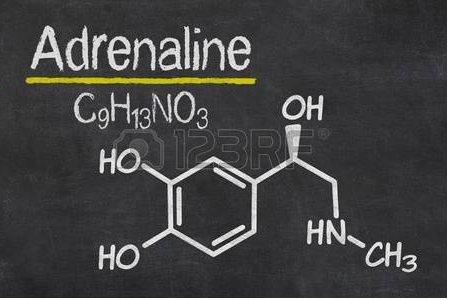
We produce higher serotonin and adrenaline levels when we either skip meals (fast) or skip any of the three macro-nutrients (protein, carbs and fat) in your meals. A significant and frequent blood sugar drop can create an addiction to dieting (just by chronically raising serotonin levels), low energy, low metabolism and muscle wasting (catabolic state).
The simplicity of this was surprising to me. Although the biochemistry can get really complex, the therapy doesn't have to be. I've found we can easily make the therapy more complex than it needs to be. It surprisingly comes down to proper blood sugar regulation and replenishing your body with enough fuel (food) on a daily basis.
If you’re cutting your essential macro-nutrients out or fasting, your energy will consistently come from adrenaline and cortisol instead of glucose. You can survive for some time off of adrenaline (which is a by-product of fat oxidation) but ideally glucose is our body’s preferred fuel for the brain, energy metabolism and recovery. Since glucose gets stored in the muscles and liver, your body doesn't have to take resources from the tissue itself to produce energy.
Glucose is also what your thyroid and liver rely on to function well. This sets the stage for anti-aging protective hormones to be produced like pregnenalone, progesterone and DHEA and more reserves for energy production and better recovery. Not to mention better brain function and hair and skin, since your body's not in a hyper adrenaline state. It's the best way to slow down the aging process.
On the other hand, if you lack reserves (glucose storage in the liver and muscles), there's absolutely nothing you can do to motivate yourself to workout, eat healthy and take care of yourself. The energy is simply not there. This is why I think most people feel they've failed, you just can't will your way through it because it simply comes down to a lack of energy.
The science behind sugar intolerance….
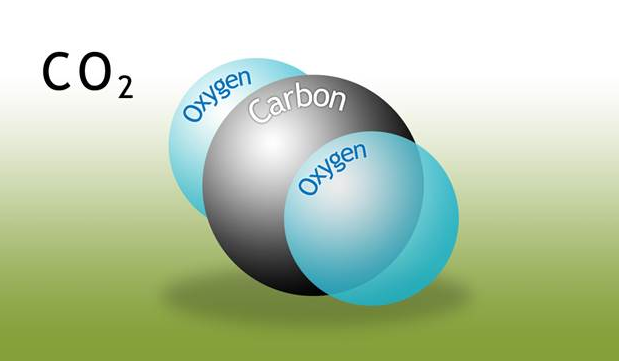
If you’re producing too much lactic acid from low carb eating, the cell begins to favor the oxidation of fat rather than glucose, which doesn’t produce as much carbon dioxide (needed to transport and liberate oxygen). Leading you down a path of reduced function, low energy and hormonal imbalance. A similar process happens in cancer cells – Lactic acid turns into fat then the body oxidizes the fat.
We’re supposed to be able to metabolize sugar well, but instead the foods we’re presented with have missing parts, like separated macronutrients and manufactured/modified sugar. This could be why our bodies have such a hard time metabolizing sugar. Not because sugar is bad, but simply because our metabolisms are not functioning at their best.
The solution…

The good news is there's a way to get your body back on track if you’ve hit an all time energy low. Considering the type of carbohydrate you choose is the most crucial factor. Getting your healthy carbs from fruit, root veggies, squash and dairy instead of grains with sugar added and high fructose corn syrup can make all the difference in the world when it comes to repairing your metabolism.
Too much starch inhibits digestion and promotes endotoxins in the gut. Energy from starch (grains and legumes ) is pure glucose which requires insulin to metabolize. Energy from fructose and sucrose has been proven not to require insulin to metabolize your food, therefore, does not create insulin resistance.
If you're constantly requiring insulin to metabolize the food you eat you damage your metabolism over time and your body’s energy systems become less efficient affording less energy production.
Begin by taking in more beneficial real food carbohydrates, like the ones I mentioned above, to offset the lactic acid and free fatty acid production. Doing this slowly (if you've been avoiding them) as to give your body time to adjust and acclimate so your body can produce enzymes to break down the carbohydrates. Always eat clean protein, saturated fat and healthy carbohydrates together, never leave one out.
In addition trade out foods that contain high polyunsaturated fatty acid (vegetable fats - canola oil, soybean oil, etc.) concentration for those that have a high saturated (animal and fruit) fats content. Saturated fat is a major contributor to blood sugar regulation as it aids in this process and helps you recover from stress.
References:
www.raypeat.com
www.eastwesthealing.com